
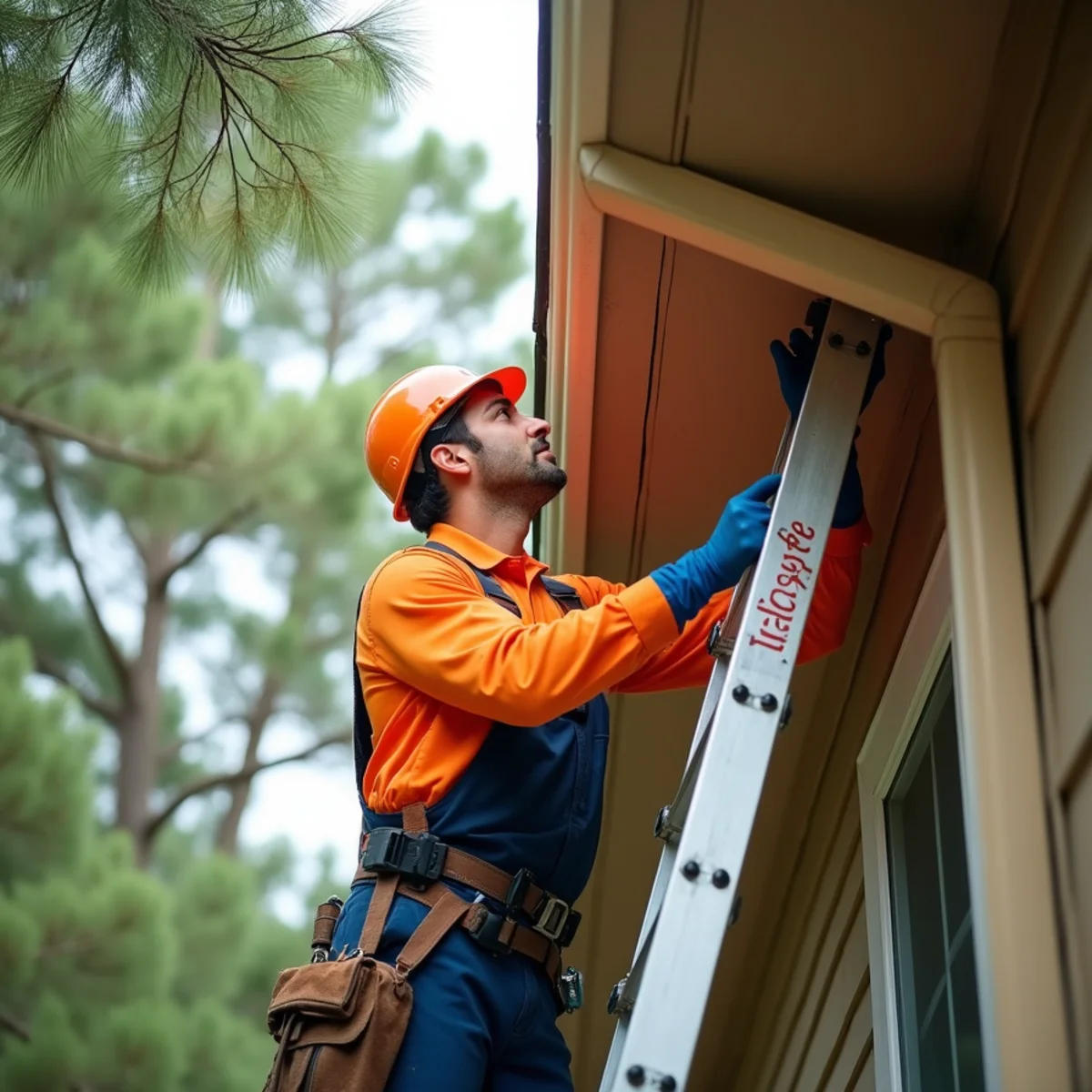
Rat and Mouse Control in Humble, TX
Attic inspection, commercial snap-trapping, sanitization, and permanent steel exclusion sealing roof returns, fascia gaps, and AC line penetrations.
Professional rodent control in Humble, TX requires a two-phase protocol: interior mechanical trapping to quickly capture attic roof rats without dangerous indoor poisons, paired with permanent exterior steel exclusion sealing roof returns, soffits, and weep holes. Licensed technicians eliminate active invaders within 7 to 14 days and guarantee the structure against re-entry.
- Nocturnal scratching, scurrying, or thumping noises above ceilings, especially between 10 PM and 4 AM
- Dark spindle-shaped droppings (1/2 inch) in attics, garages, or kitchen pantries
- Dark greasy rub marks (sebum) along baseboards, rafter edges, and exterior wall openings
- Gnawed electrical wiring, plastic PEX plumbing pipes, or chewed air duct flex foil
- Torn or trampled attic insulation forming visible pathways and nesting burrows
What is Included in Every Rodent Control & Exclusion Call
Every dispatch follows rigorous Texas Department of Agriculture standards to identify the source of infestation, stop pest reproduction, and prevent recurrence.
Signs of Rats or Mice: Attic Noise, Droppings, and Gnawed Wiring
Hearing footsteps or scratching sounds inside your ceiling late at night is the hallmark indicator of a roof rat (Rattus rattus) infestation. In Humble, Kingwood, and Atascocita, dense tree canopies with overhanging pine and oak branches provide rats with direct aerial highways onto residential roofs.
Once inside, rodents pose serious safety hazards. Rats have continuously growing incisors and must chew constantly to wear them down. They routinely gnaw through structural lumber, PVC and PEX water lines (causing catastrophic hidden ceiling leaks), and electrical wire insulation. The National Fire Protection Association estimates that up to 20% of unexplained residential structure fires may be caused by rodent-damaged electrical wiring.
- Scratching and squeaking noises inside attic spaces or within exterior drywall cavities
- Oblong droppings with pointed ends scattered near AC units and water heaters in attics
- Disturbed blown-in cellulose or fiberglass insulation with tunneling trails
- Unpleasant musky odor or ammonia smell trapped in attic spaces and closets
Roof Rats, Norway Rats, and House Mice: Identifying the Invader
Identifying the correct rodent species dictates the trapping strategy, trap placement, and bait selection:
Roof Rats: The dominant attic pest in Northeast Houston. Slender, 13 to 18 inches long including their long tail (which is longer than their body), with large ears and pointed noses. They are agile climbers that nest high in attics, soffits, and trees, feeding on fruits, nuts, acorns, and bird feed.
Norway Rats: Larger, stockier burrowing rodents (up to 16 inches, heavy body, blunt snout). They inhabit ground burrows, crawl spaces, sewer lines, and ground-level storage sheds.
House Mice: Small (5 to 7 inches total), inquisitive, gray or brown. Mice easily slip through dime-sized 1/4-inch foundation weep holes and garage door corners to nest inside kitchen cabinets and wall voids.
Need Immediate Help With Rodent Control & Exclusion?
Speak directly with our local Humble dispatch coordinator to discuss treatment windows and safety prep.
How Rodents Get In: Roof Returns, Soffits, and AC Line Chases
Rodents rarely enter through open front doors; they exploit architectural construction gaps standard on Texas brick-and-siding homes. A roof rat requires an opening no larger than a quarter (roughly 1/2 inch), while a house mouse can squeeze through a 1/4-inch crack.
The most common structural breach in Humble homes is the roof return (the intersection where the lower roof rake meets an exterior brick or siding wall). Builders often leave open gaps beneath the shingles. Other primary entry points include uncapped plumbing vent stacks, loose soffit screens, degraded rubber garage door bottom sweeps, and gaps around exterior air conditioning refrigerant line chases.
Trapping and Removal: What the First Two Weeks Look Like
Effective rodent control begins with immediate population removal using mechanical snap-traps. We strictly advise against placing rodenticide bait inside attics or living areas. Poisoned rats inevitably crawl deep into inaccessible exterior wall voids or ceiling joists to die, producing overpowering decomposition odors and secondary carpet beetle and blowfly infestations for weeks.
Our partner technicians establish strategically placed trap lines inside the attic along confirmed runways. Traps are baited with species-specific attractants, pre-baited to overcome rodent neophobia (fear of new objects), and checked regularly until zero activity is recorded over consecutive inspection cycles.
Need Immediate Help With Rodent Control & Exclusion?
Speak directly with our local Humble dispatch coordinator to discuss treatment windows and safety prep.
Exclusion: Sealing the Structure Permanently
Trapping without structural exclusion is an exercise in futility. As long as entry holes remain open, scent pheromones left by previous rodents will attract new colonies from surrounding greenbelts and tree canopies.
Permanent exclusion involves sealing all vulnerabilities using chew-proof materials: heavy galvanized 1/4-inch steel hardware cloth, custom-bent metal flashing, copper mesh (Stuf-fit) around utility lines, and heavy-duty chew-resistant polyurethane sealants. Expanding foam from a hardware store is useless against rodents—rats will gnaw through standard aerosol foam within minutes.
Why Rodent Calls Jump in Humble After Cold Fronts and Floods
Rodent pressure in Northeast Houston follows distinct environmental triggers. The first major autumn cold front in October or November sends outdoor roof rats foraging for warm harborage and reliable food, prompting an immediate surge in attic invasions.
Furthermore, major rainfall and flooding along Spring Creek, the San Jacinto River, and Lake Houston flood ground burrows and wooded river bottom habitats, forcing rodents up into residential subdivisions across Humble, Fall Creek, and Kingwood.
Targeted Field Methodology & Equipment
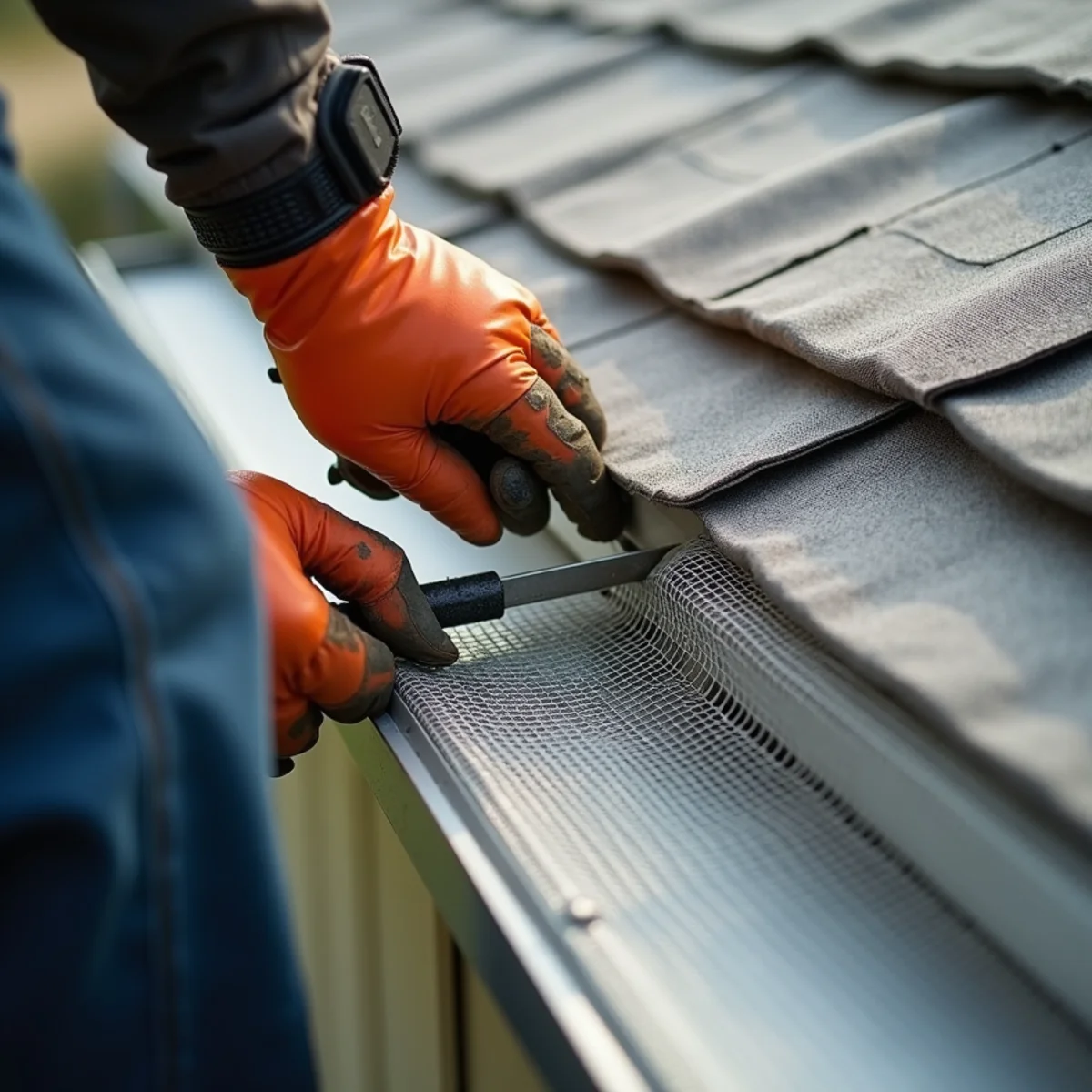
Roofline Steel Exclusion
Sealing vulnerable roof returns and eave soffit gaps with chew-proof 1/4-inch hardware cloth.

Attic Diagnostic & Runway Inspection
Mapping roof rat travel pathways, wiring damage, and nesting spots without hazardous poison baits.
Our Professional Treatment Process
Comprehensive Roof-to-Crawl Inspection
Inspecting roof ridge vents, soffits, fascia intersections, plumbing stacks, AC line chases, and crawl spaces for active rodent trails and entry gaps.
Strategic Interior Attic Trapping
Deploying high-leverage commercial snap traps along confirmed attic runs to quickly remove the resident population without using interior poisons that cause wall-void odors.
Permanent Structural Exclusion Sealing
Sealing all entry points larger than 1/4 inch with galvanized 26-gauge hardware cloth, metal flashing, and structural polyurethane sealants.
Attic Decontamination & Monitoring
Enzyme treatment of pheromone trails, insulation remediation if damaged, and exterior tamper-resistant bait stations to manage yard populations.
Cost Context: $250 to $600 for initial trapping and structural assessment; full home exterior exclusion programs with lifetime warranty sealing typical $800 to $1,800 depending on roofline complexity.
Every property has distinct architectural variables: foundation linear footage, concrete drilling access, moisture conditions, and infestation severity. Your dispatched technician performs a thorough on-site evaluation and provides an exact written quote before any chemicals are applied.
Why Northeast Houston Homeowners Trust Us for Rodent Control & Exclusion
100% Texas TDA Licensed Applicators
Every structural pest technician in our dispatch network holds verified credentials from the Texas Department of Agriculture, supervised by Responsible Certified Commercial Applicators.
Written Quotes & No Surprise Invoices
We never spray before you approve the scope. You receive an itemized, written quote detailing exact target zones, EPA-registered products, and warranty retreatment terms up front.
Non-Repellent Colony Transfer Chemistry
We avoid cheap synthetic pyrethroids that scatter insects across walls. We employ advanced non-repellent transfer chemistry and target baits that eliminate entire nests at their source.
Regional Architecture & Climate Mastery
Our crews understand Texas brick-on-slab weep holes, roof return soffits, expansive gumbo clay soils, and persistent high humidity off Lake Houston and the San Jacinto River basin.
Local Service Dispatch Across Northeast Houston & Lake Houston
We provide dedicated rodent control & exclusion throughout Humble and surrounding communities including Atascocita, Kingwood, Fall Creek, Summerwood, Eagle Springs, Porter, New Caney, Spring, and Tomball. Whether your home is an established brick ranch near Deerbrook Mall or a modern build off Will Clayton Parkway or FM 1960, our technicians arrive prepared with specialized equipment for immediate diagnosis and eradication.
Frequently Asked Questions
What is making noise in my attic at night?↓
Are rodent bait stations a risk to dogs and children?↓
How long does it take to clear rats out of an attic?↓
Will rats come back after the entry points are sealed?↓
Why do you avoid placing rodent poison baits inside attics?↓
Can rats chew through hardware store expanding foam?↓
Still Have Questions About Your Situation?
Our team is on standby to explain treatment options, safety precautions, and scheduling.
Related Pest Services & Resources
Termite Treatment & Inspection
Comprehensive slab inspection, subterranean barrier defense, and Sentricon baiting systems tailored for Harris County Formosan and native subterranean termites.
Cockroach Control
Pinpoint baiting and growth regulators for indoor German roaches, plus exterior perimeter and weep hole treatment for outdoor tree roaches.
Ant Control & Yard Defense
Targeted mound treatments, whole-yard broadcast fire ant defense, tawny crazy ant suppression, and moisture-associated carpenter ant eradication.
Related Diagnostic Guides & Research
Scratching in the Attic at Night: Roof Rats in Northeast Houston Homes
Nocturnal scratching sounds above your ceiling are almost always roof rats. Discover why Northeast Houston's pine forest creates the perfect rodent storm.
Pests After a Flood: What Moves Into Humble and Kingwood Homes After High Water
Whenever tropical storms or heavy spring rains flood Lake Houston and the San Jacinto River, pests flee saturated soil and seek dry residential homes.
How to Seal Your Roofline Against Roof Rats in Northeast Houston
Traps only kill the rats already in your attic. Learn the exact architectural weak spots in Texas rooflines that must be sealed to keep them out permanently.
Schedule Your Rodent Control & Exclusion
Call our direct local coordination desk to discuss active symptoms and lock in an on-site structural evaluation.
Call (321) 496-4080Request an On-Site Inspection for Rodent Control & Exclusion
For urgent infestations, call (321) 496-4080 for immediate assistance.
Not urgent? Send a request
For the fastest help, call (321) 496-4080