
Scratching in the Attic at Night: Roof Rats in Northeast Houston Homes
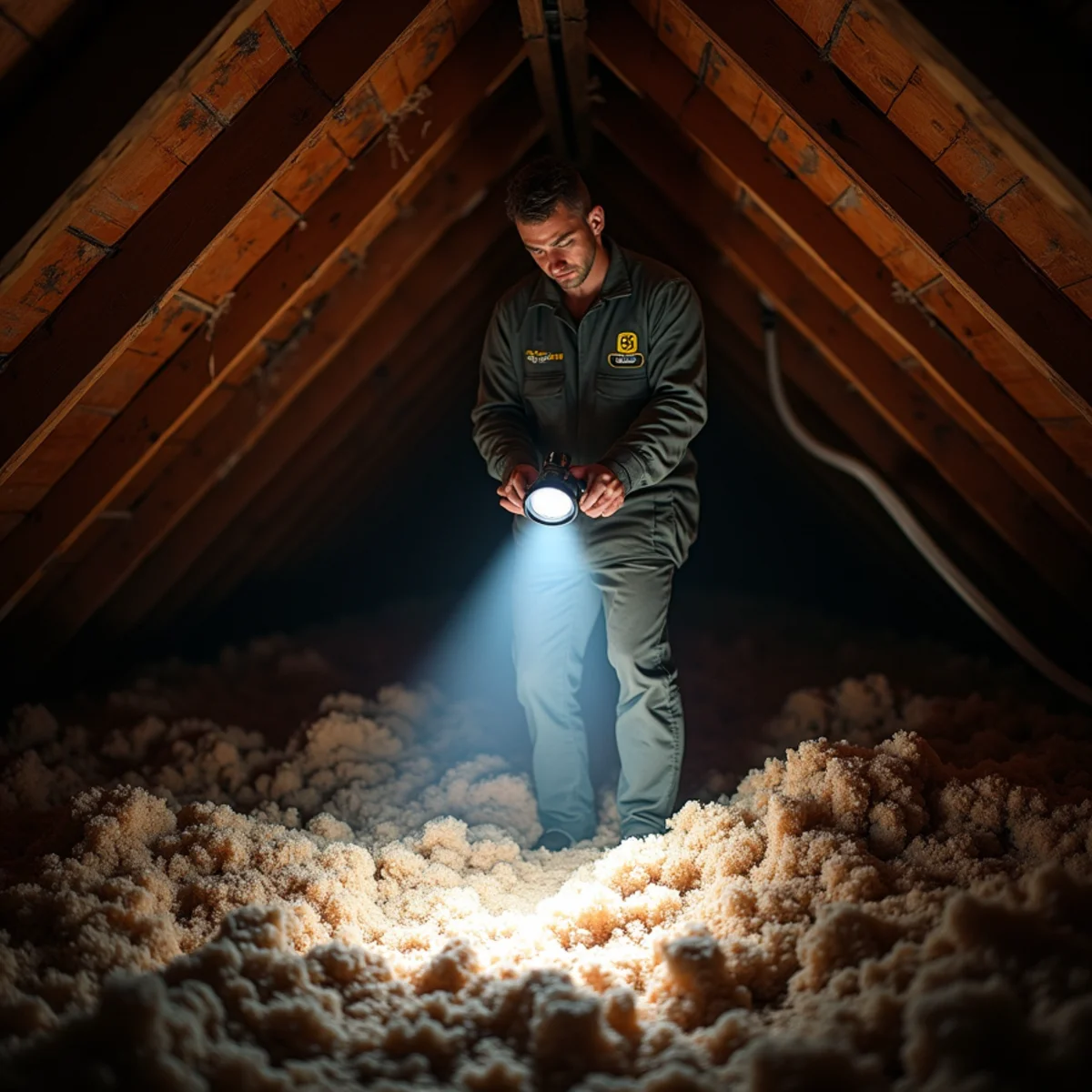
Nighttime attic noises between 10 PM and 4 AM in Northeast Houston homes are almost always caused by roof rats (Rattus rattus). Roof rats enter through roof returns, uncapped plumbing stacks, and soffit gaps. Never use poison bait in the attic; instead, use snap traps for rapid removal paired with permanent 1/4-inch galvanized steel exclusion sealing.
Why Roof Rats Love Northeast Houston and Kingwood Canopies
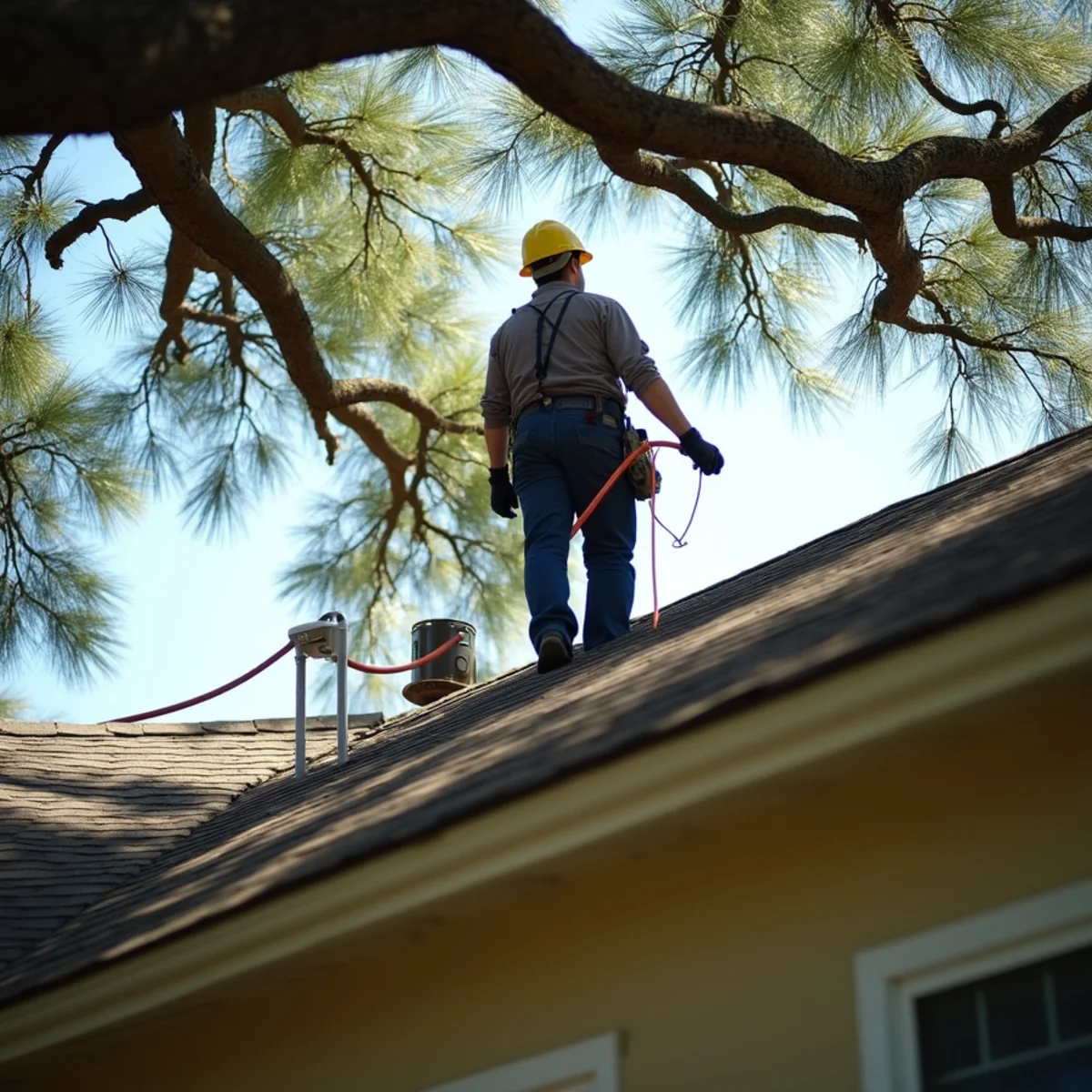
Roof rats (Rattus rattus)—also referred to as black rats or ship rats—are agile, arboreal rodents that spend upwards of 90% of their lifespans off the ground. In Kingwood, Humble, and Atascocita, mature loblolly pines, live oaks, and dense privet greenbelts create a continuous aerial highway directly over residential subdivisions.
Roof rats traverse utility cables, wooden privacy fence lines, and overhanging pine branches, jumping onto asphalt shingles with ease. Standard Texas brick-on-slab home design leaves open architectural junctions where roof gables meet brick walls (known as roof returns or soffit returns). These gaps grant rodents effortless entry into climate-controlled attics loaded with soft fiberglass insulation, zero predators, and proximity to kitchen food supplies.
Because roof rats can jump horizontally up to four feet and drop vertically from over eight feet without injury, maintaining a strict six-to-eight-foot tree canopy clearance around your roof decking is mandatory. In Kingwood and Atascocita villages, unpruned pine limbs brushing against gutter lines provide an unbroken bridge that completely bypasses ground-level predator zones.
The Dangerous Pitfalls of Attic Poison Baits
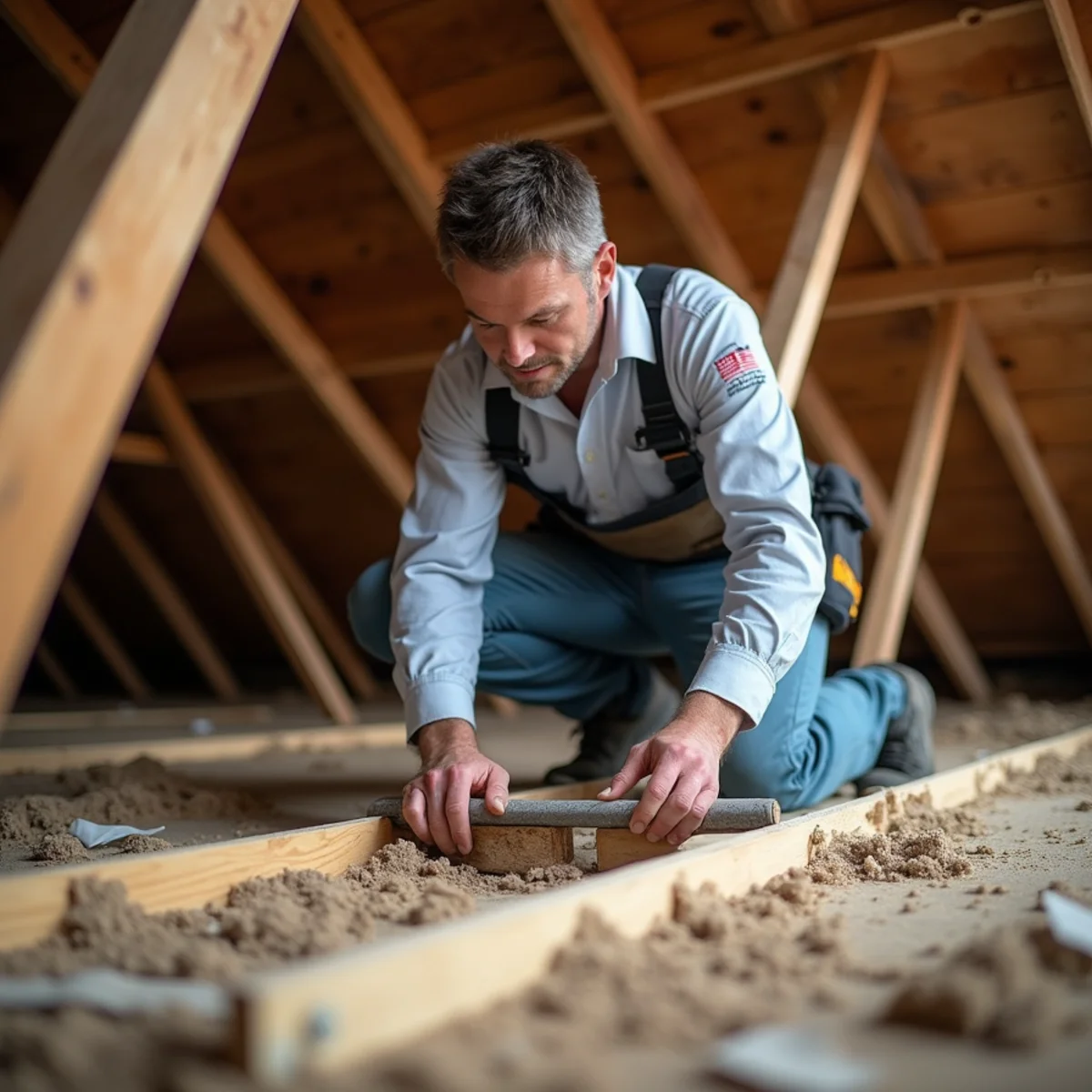
Tossing anticoagulant rodenticide blocks into an attic is the most costly mistake a homeowner can make. Chemical rodenticides trigger internal capillary hemorrhaging, creating intense physiological thirst within 3 to 5 days. Desperate for moisture, dying rats crawl downward into inaccessible wall cavities, beneath heavy HVAC air handlers, or behind bathroom shower enclosures to die.
In the subtropical heat and humidity of Harris County, a single decomposing rat carcass produces a sickening, pervasive odor within 48 to 72 hours that penetrates living quarters for weeks. This frequently requires cutting into sheetrock to locate and extract the carcass, while attracting thousands of flesh flies, blowflies, and carpet beetles. Mechanical snap trapping along documented rodent runways is the only sanitary, predictable extraction method.
Need Immediate Guidance for Your Home?
Our local Humble coordination team is ready to answer questions and schedule on-site evaluations.
Fire Hazards & Plumbing Leaks: The True Cost of Rodents
Roof rats possess continuously growing incisor teeth that lengthen 4 to 5 inches per year. To prevent their teeth from overgrowing, rats gnaw constantly on whatever structural materials surround them:
Electrical Wiring Stripping: Rats chew through the vinyl jacket of Romex electrical wiring in attics, leaving bare copper conductors exposed. In the United States, an estimated 20% to 25% of unexplained attic fires are traced directly to rodent wire gnawing.
Plastic PEX Plumbing Leaks: Modern homes in Humble and Atascocita utilize flexible PEX water supply lines running through attic joists. Roof rats routinely chew into PEX pipe walls searching for water, causing catastrophic ceiling collapses and thousands of dollars in water damage.
Insulation Fouling & Biohazards: A family of six roof rats produces thousands of droppings and gallons of urine annually. This biohazard contaminates blown-in insulation with pathogens including Leptospirosis, Hantavirus, and Salmonella, while leaving pungent pheromone trails that attract future rodents.
The 3-Phase Professional Rodent Remediation Protocol
Eliminating attic rats permanently requires a methodical three-phase engineering approach rather than casual trapping:
Phase 1: Full-Perimeter Structural Exclusion: Before setting traps, every opening 1/4 inch or larger is sealed from foundation to ridge cap using chew-proof materials. Once sealed, no new rodents can enter.
Phase 2: High-Density Snap Trapping: Technicians deploy 12 to 24 commercial snap traps along confirmed attic beams and insulation runways, checking traps every 24 to 48 hours until zero catches and zero bait disturbances occur for 5 consecutive days.
Phase 3: Bio-Sanitization & Odor Neutralization: Contaminated droppings are vacuumed using HEPA-filtered industrial extraction, followed by misting with commercial virucidal and enzyme sanitizers to break down rodent pheromone scent trails.
Permanent Structural Exclusion: Critical Entry Vectors
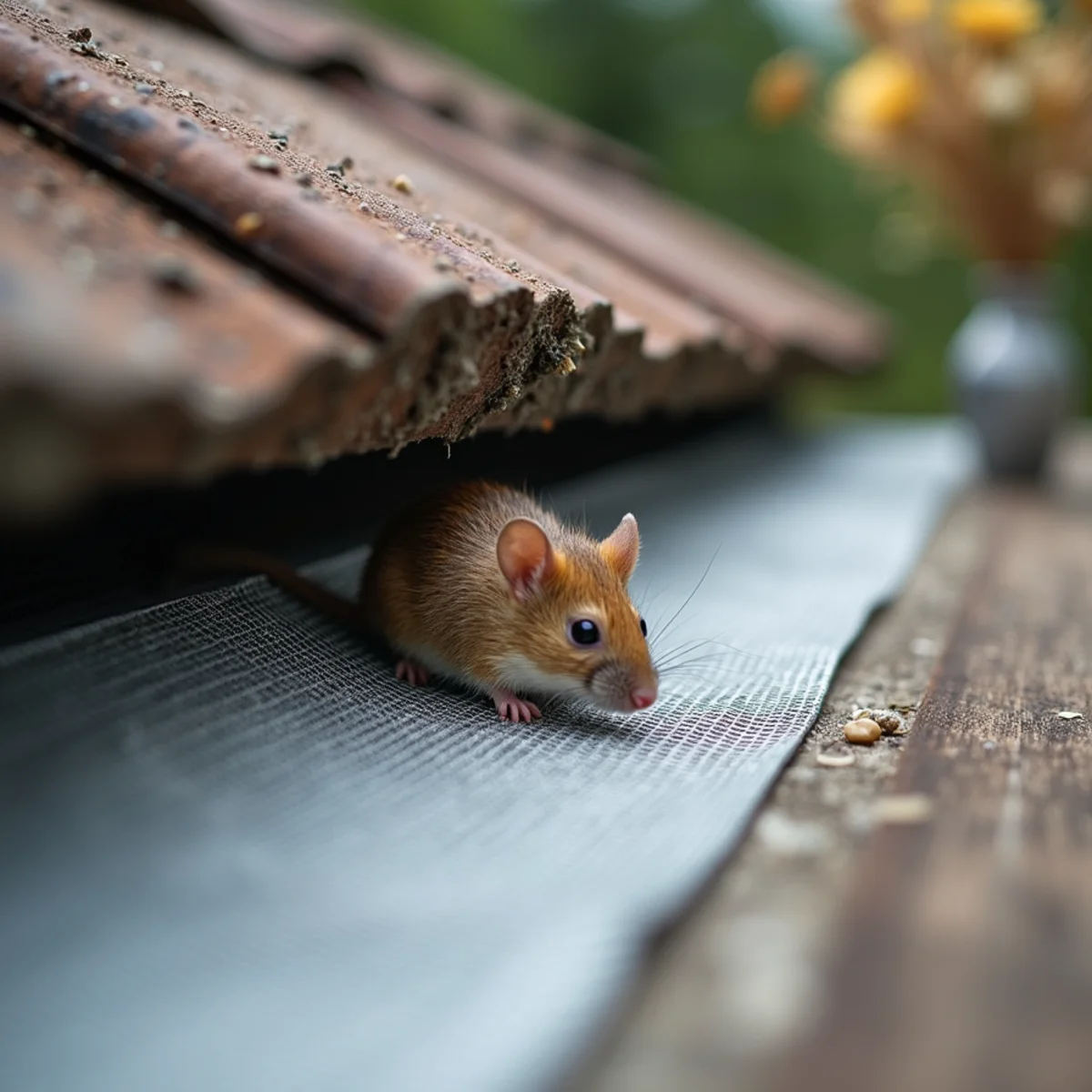
Because roof rats communicate through pheromone markers embedded in their urine and dark body oils (sebum marks), unsealed homes suffer recurring invasions year after year. Permanent defense requires physical exclusion:
- Roof Returns & Fascia Overhangs: Fastening 26-gauge heavy galvanized 1/4-inch steel hardware cloth beneath eave fascia boards where roof decking terminates against exterior brick.
- Lead Plumbing Vent Stacks: Fitting stainless steel mesh caps over soft lead sewer vent pipes on the roof to prevent rats from chewing through the lead and dropping into wall cavities.
- AC Refrigerant Line Chases: Sealing the exterior masonry wall hole where copper coolant lines enter the attic using copper mesh packing and UV-resistant expanding foam.
- Attic Ridge Vents & Gable Louvers: Backing plastic ridge vent baffles and decorative gable vent louvers with chew-proof galvanized steel cloth.