
New Home in Porter or New Caney? A First-Year Pest Checklist
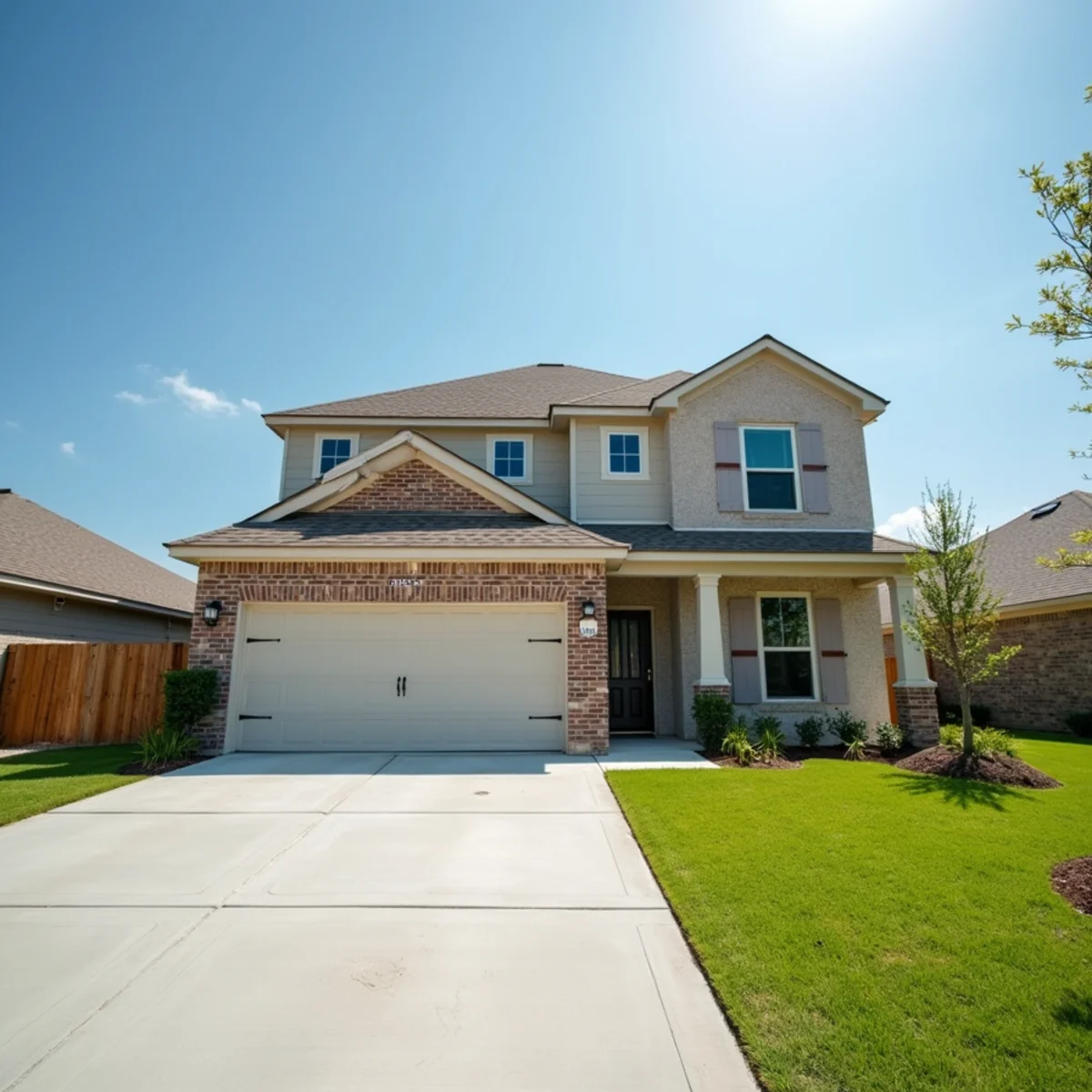
New construction homes in Porter and New Caney face heavy pest pressure during Year 1 because land clearing displaces native rodents, fire ants, and subterranean termites. To safeguard your new home, inspect builder weep holes, install copper mesh in AC chases, apply whole-yard fire ant bait to fresh sod, and verify your termite pre-treatment warranty.
The Myth of the 'Bug-Free' New Construction Home
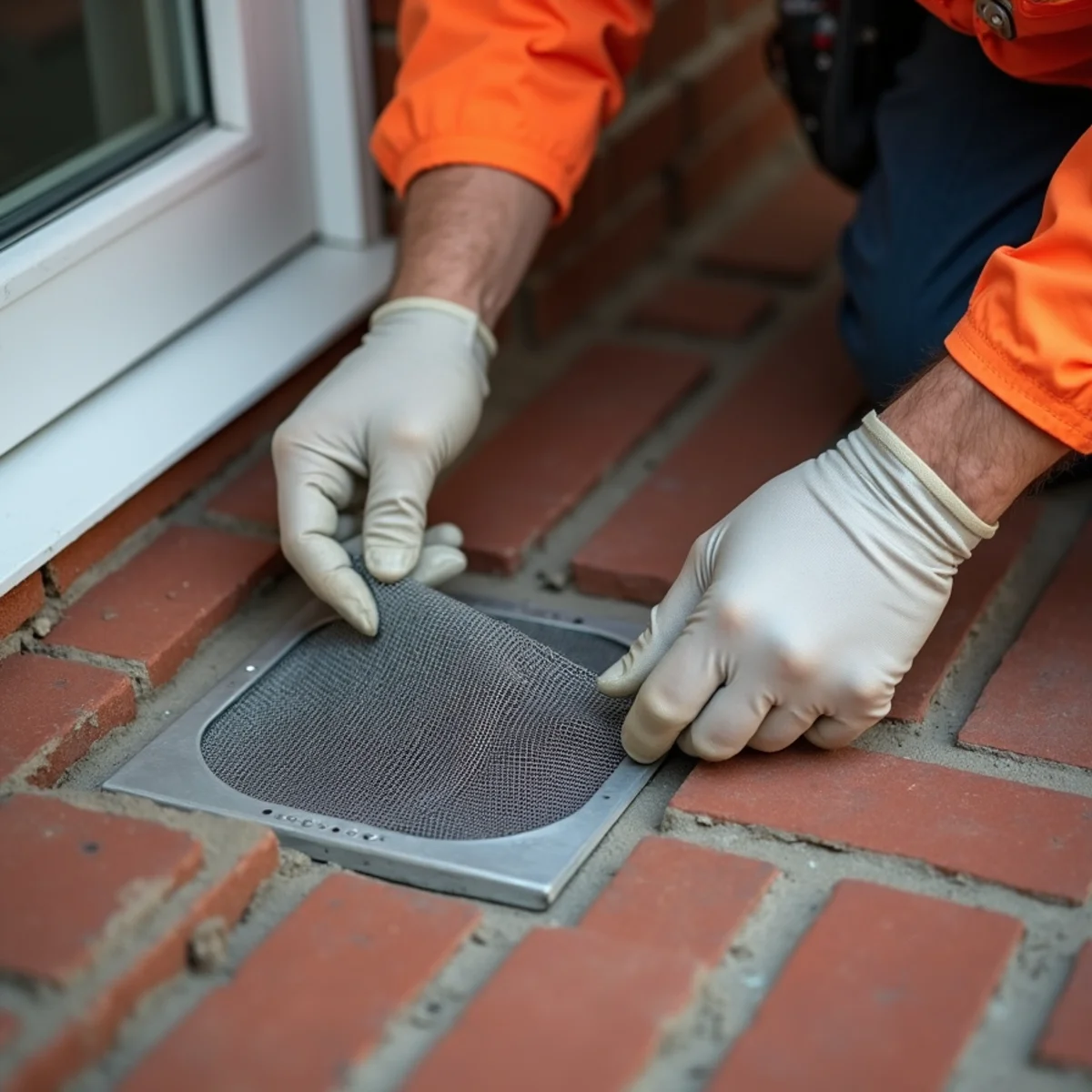
Many new homeowners assume that brand-new construction means zero bugs for several years. In reality, newly built subdivisions in East Montgomery County—such as Tavola, Woodridge Forest, Harrington Trails, and Valley Ranch—experience heavier first-year pest invasions than established 20-year-old neighborhoods.
Before homebuilders pour concrete foundations, bulldozers clear dozens of acres of dense loblolly pine timberlands, bottomland hardwoods, and sandy scrub brush. This massive environmental disturbance obliterates the natural nests, burrows, and forage zones of roof rats, field mice, tawny crazy ants, red imported fire ants, and subterranean termites. Seeking immediate food and dry shelter, these displaced colonies gravitate directly toward freshly completed homes with irrigated turf, shaded mulch beds, warm garage slabs, and unsealed exterior penetrations.
Furthermore, building materials delivered to construction sites often sit in open fields for weeks or months exposed to the elements. Lumber bundles, structural wall sheathing, pallets of sod, and nursery shrubs frequently arrive on site already harboring roach egg cases, carpenter ant satellite nests, or termite colonies that are then sealed directly inside your home's framing.
Exterior Envelope Vulnerabilities in Modern Texas Construction
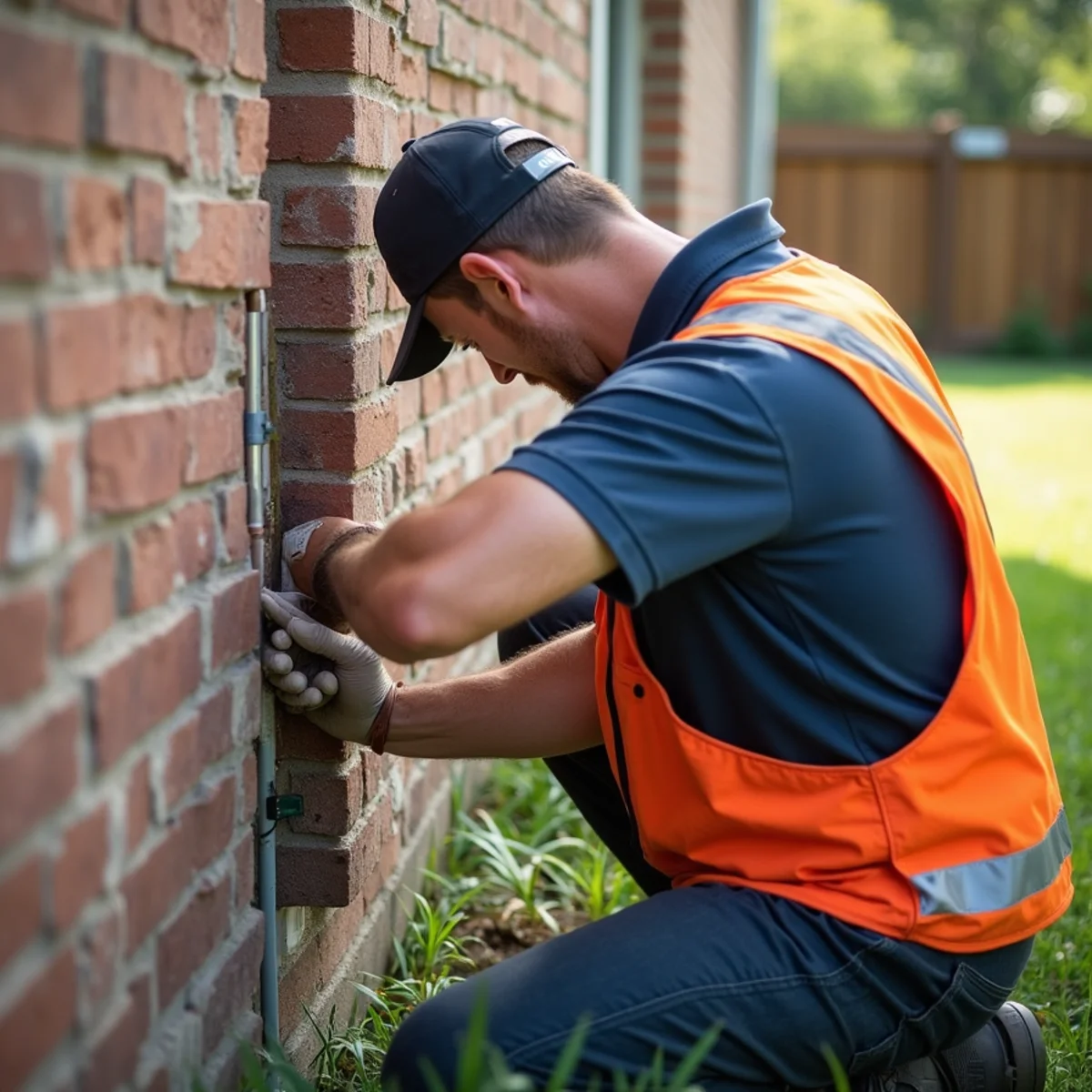
Modern Texas production builders prioritize energy efficiency and speed, but standard building practices frequently leave critical structural pathways wide open to invading pests:
Foundation Weep Holes: Texas building code mandates vertical weep holes in exterior brick veneers every 3 to 4 feet along the foundation ledge to allow condensation and moisture to drain. However, standard 3/8-inch weep holes are cavernous entry doors for mice (which can squeeze through an opening the size of a dime), American cockroaches, scorpions, and paper wasps. Without mesh exclusion inserts, pests crawl straight up into the continuous wall cavity behind your drywall.
HVAC Refrigerant Line Chases: Air conditioning installers routinely punch a 2- to 3-inch circular core through exterior brick or fiber-cement siding to route copper refrigerant lines and electrical conduit. Subcontractors often leave this gap completely unsealed or pack it with cheap silicone caulk that dries, shrinks, and cracks within six months under the intense Texas summer heat.
Expansion Joints and Plumbing Blockouts: Concrete slab foundations include engineered expansion joints and bathtub blockouts beneath ground-floor bathrooms. If subterranean termites find hairline fissures where utility conduits penetrate the concrete slab, they construct mud tubes directly into bathroom wall cavities unseen by homeowners.
Need Immediate Guidance for Your Home?
Our local Humble coordination team is ready to answer questions and schedule on-site evaluations.
First-Year Pest Prevention Checklist for Texas Homeowners
To secure your new Porter or New Caney home against local pest pressures, complete these six critical preventative milestones within your first 90 days of occupancy:
- Install Stainless Steel Weep Hole Covers: Retrofit every foundation weep hole with spring-loaded stainless steel wire mesh inserts (such as Rid-O-Weep). These preserve essential wall cavity ventilation and drainage while completely blocking rodent and insect access.
- Pack and Seal Exterior Utility Chases: Inspect all plumbing spigots, gas line penetrations, and AC line chases. Pack voids tightly with rust-proof copper mesh (Stuf-fit) and cap with exterior-grade polyurethane elastomeric sealant that resists UV degradation and rodent gnawing.
- Broadcast Insect Growth Regulators on Fresh Sod: Sod farms rarely treat turf for long-term fire ant suppression. As soon as sod roots take hold (typically 3 to 4 weeks after laying), apply an insect growth regulator (IGR) bait like Extinguish Plus or Advion across your entire lawn before summer mowing begins.
- Clear Soil and Mulch From Foundation Slabs: Ensure landscaping contractors leave at least 4 to 6 inches of bare concrete slab exposed between the bottom of your brick or siding and the top of mulch beds. Mulch piled against siding creates an invisible, moisture-rich highway for termites and subterranean moisture ants.
- Direct Downspouts and Condensate Lines Away From Slabs: Splash blocks or buried PVC drain piping should discharge roof runoff and AC condensation at least 5 to 10 feet away from the slab perimeter. Saturated foundation soils attract subterranean termites and wood-boring pests.
- Install Heavy-Duty Garage Door Bottom Weather Seals: Construction-grade vinyl garage door seals often warp in heat or leave 1/2-inch gaps at corners where concrete slopes, providing easy entry for crickets, roaches, and rodents.
The Hidden Threat: Compromised Builder Termite Pre-Treatments
Texas law requires homebuilders to apply a termite pre-treatment before concrete is poured. Common methods include borate wood treatments (spraying disodium octaborate tetrahydrate on bare studs up to 2 feet), horizontal soil termiticide sprays beneath the slab, or perimeter liquid barriers.
However, the vast majority of builder pre-treatments are compromised before the homeowner even receives the keys. After the pre-treatment is completed, subcontractors dig trenches for sprinkler pipes, excavate for swimming pools, erect perimeter wooden privacy fences, and spread topsoil for sod. These extensive ground excavations sever and displace the chemical barrier, leaving wide untreated gaps directly against the foundation.
Never assume your builder's one-year termite certificate guarantees lifetime protection. A professional post-construction inspection verifies whether your perimeter chemical barrier is intact or requires a perimeter trench-and-rod application with Termidor SC or a Sentricon baiting system.
Sod, Drainage & Landscape Hazards in Fast-Growing Subdivisions
New construction grading in East Montgomery County presents unique drainage challenges. Porter and New Caney sit on heavy clay and alluvial silt soils that settle significantly during the first two rainy seasons. If backfilled soil around the foundation settles downward, it creates a 'negative grade' that directs rainfall straight back against the concrete slab.
Standing water against the slab accelerates foundation settling and creates prime breeding grounds for subterranean termites, Asian tiger mosquitoes, and fungus gnats. Furthermore, fast-growing ornamental trees (such as live oaks, crape myrtles, and river birches) planted within 5 feet of exterior walls quickly extend branches that touch rooflines, providing bridge routes for roof rats and carpenter ants to bypass all ground pest barriers.