
Mosquito Season Around Lake Houston: When It Starts and What Works
Mosquito season around Lake Houston begins in late March or early April when nighttime temperatures consistently exceed 50°F, peaking between June and September before tapering off in November. Effective control combines eliminating standing water, biological BTI dunks, and monthly foliage barrier backpack treatments.
The Lake Houston Mosquito Calendar: Month-by-Month Activity
Living along the scenic shores of Lake Houston in communities like Atascocita, Kingwood, Walden, and Summerwood offers incredible outdoor living, boating, and waterfront sunsets. However, the combination of 12,000 surface acres of freshwater, heavily forested riparian greenbelts, and over 50 inches of annual precipitation makes Northeast Harris County one of the most mosquito-dense environments in Texas.
Unlike northern climates where mosquitoes disappear for six months, Southeast Texas experiences an exceptionally long mosquito season. Understanding the annual lifecycle timeline is crucial for planning outdoor events and maintaining a bite-free property:
- March – April (Spring Awakening): Overwintering adult females emerge from tree hollows and shed eaves when nighttime temperatures consistently surpass 50°F. Spring storms trigger early hatches of aggressive floodwater species in low-lying wooded depressions.
- May – June (The Population Surge): Warmer daytime highs accelerate larval development from two weeks down to just seven days. Asian tiger mosquitoes begin breeding aggressively in artificial backyard containers and shaded gardens.
- July – August (Peak Vector Threat): Intense summer heat causes shallow ditches and drainage basins to stagnate. Southern house mosquitoes (Culex) thrive in high heat and organic-rich stagnant pools, dramatically increasing the transmission risk of West Nile virus.
- September – October (Post-Storm Secondary Peak): Late-season tropical rainfall combined with lingering humid warmth produces massive secondary swarms that disrupt fall football watch parties and outdoor dining.
- November – February (Overwintering Diapause): Mosquito activity slows once daytime highs drop below 60°F. However, during unseasonably warm winter spells, daytime biters regularly emerge to forage.
Primary Mosquito Species Around Lake Houston: Biology & Risks
Not all mosquitoes behave the same. Homeowners in Northeast Houston face three primary mosquito species, each demanding a distinct management approach:
Asian Tiger Mosquito (Aedes albopictus): Easily identified by its bold black body with vivid white racing stripes down its back and banded legs. Aedes mosquitoes are daytime biters that peak in mid-morning and late afternoon. They are weak fliers (rarely traveling more than 150 to 300 feet from where they hatched) and breed in tiny micro-pockets of clean standing water—such as plant saucers, birdbaths, and bottle caps.
Southern House Mosquito (Culex quinquefasciatus): A medium-sized, drab golden-brown mosquito that feeds primarily between dusk and dawn. Culex mosquitoes are strong fliers that breed in polluted, stagnant water containing decomposing leaves and lawn clippings. Crucially, Culex is the primary vector for West Nile virus and encephalitis throughout Harris and Montgomery counties.
Dark Rice Field Mosquito (Psorophora columbiae): A large, vicious floodwater biter that lays drought-resistant eggs in pasture grasses and woodland flood basins along the San Jacinto River. Following major rainstorms, billions hatch simultaneously, swarming aggressively in broad daylight.
Need Immediate Guidance for Your Home?
Our local Humble coordination team is ready to answer questions and schedule on-site evaluations.
Micro-Habitats & Backyard Hotspots Near the Water
While homeowners often blame Lake Houston itself for their mosquito woes, open lake water with wind ripples, wave action, and predatory fish rarely produces mosquitoes. The real culprits are hidden pockets of stagnant rainwater on residential properties:
Corrugated French Drain Pipes: Flexible black corrugated downspout lines trap standing water inside every low horizontal rib, creating protected underground mosquito hatcheries beneath manicured lawns.
Boat Tarps, Kayaks, and Jet Ski Covers: Slack folds in waterproof marine covers collect gallons of rainwater and rotting organic pine needles, producing thousands of larvae within days.
Bromeliads and Broad-Leaf Landscape Plants: Popular tropical landscape plants trap water reservoirs in their leaf axils that are sheltered from wind and sun.
Clogged Roof Gutters: Heavy leaf drop from Kingwood's towering loblolly pines dams up roof gutters, creating continuous aerial mosquito nurseries directly above patio dining areas.
Three Proven Steps That Actually Keep Your Yard Mosquito-Free
Eradicating mosquitoes requires combining source reduction, biological larvicides, and professional adulticide barrier treatments:
Step 1: Weekly Tip-and-Toss Sweep: Dedicate five minutes every Saturday to tip over flowerpot saucers, empty dog bowls, flush birdbaths, and store wheelbarrows upright. Disrupting the 7-day aquatic breeding cycle stops larvae before they ever take flight.
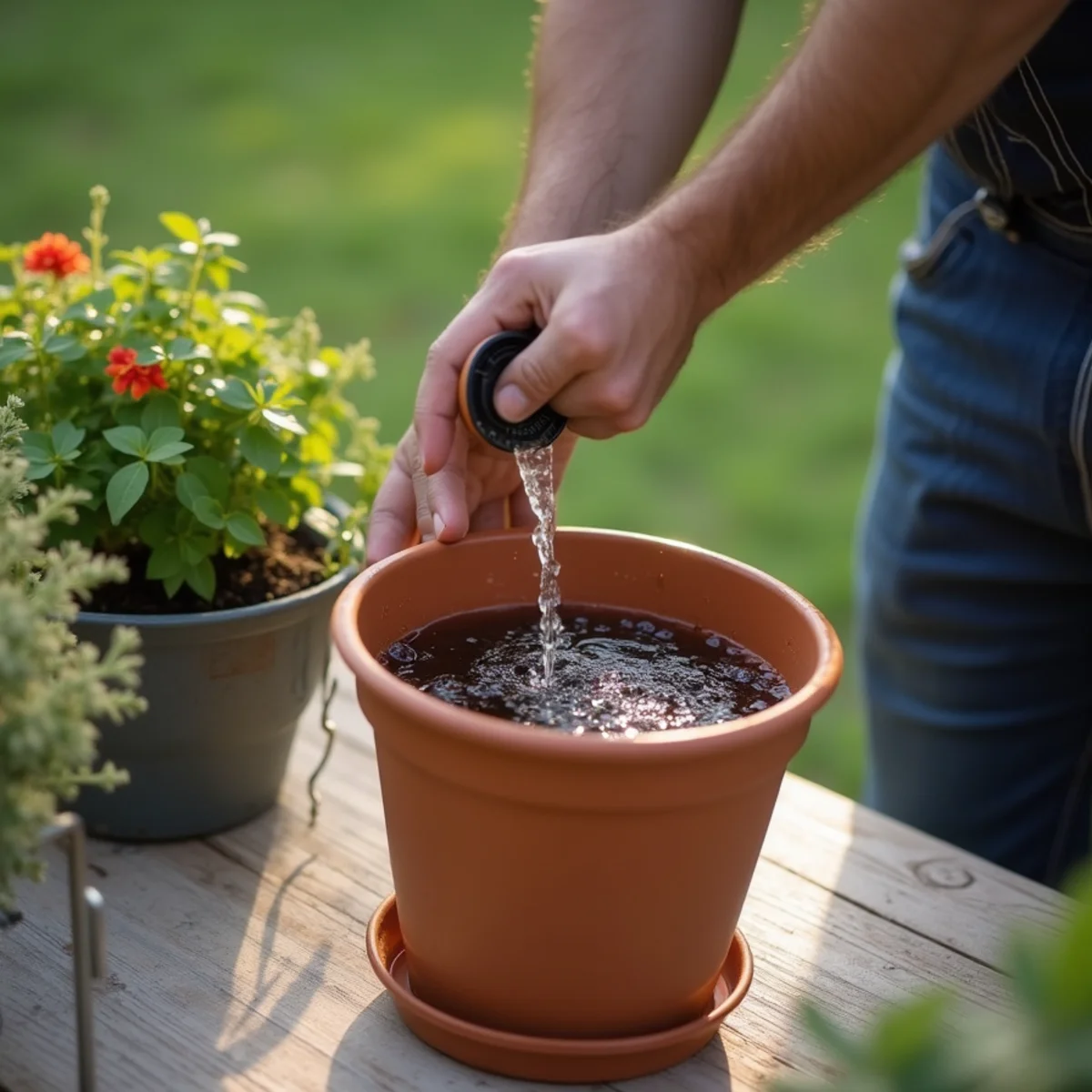
Step 2: Biological Larvicide Dunks (BTI): For standing water that cannot be drained—such as French drain catch basins, decorative fountains, and low swales—apply briquettes containing Bacillus thuringiensis israelensis (BTI). BTI is a naturally occurring soil bacterium that destroys mosquito larvae without harming pets, fish, birds, or beneficial pollinating insects.
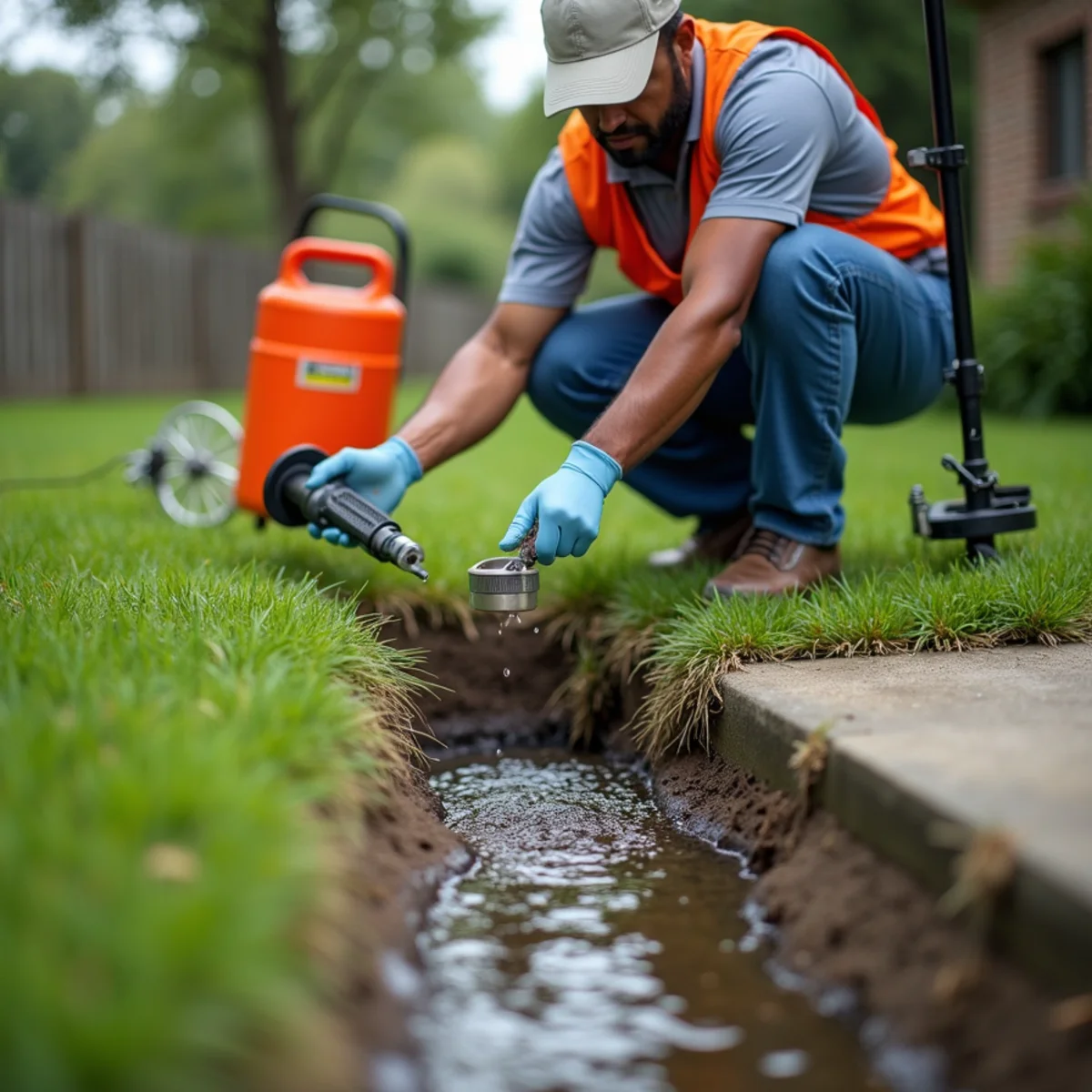
Step 3: High-Pressure Foliage Barrier Backpack Misting: Adult mosquitoes spend 90% of their day resting on the undersides of dense, shaded foliage to escape dehydrating Texas sunlight. Professional technicians use specialized motorized backpack misters to coat the undersides of shrubs, hedges, ivy, and tree canopies up to 10 feet with microencapsulated pyrethroids and insect growth regulators, providing continuous knockdown protection for 21 to 30 days.
Why Retail Gimmicks Fail: The Science of What Works
Before wasting money on hardware store gadgets, understand why popular consumer products consistently fail:
Bug Zappers: Ultraviolet light traps attract night-flying beetles, moths, and beneficial green lacewings—not mosquitoes. Controlled university studies prove that mosquitoes make up less than 0.2% of the insects killed in commercial zappers.
Citronella Candles and Yard Torches: Citronella oil works solely as a localized olfactory mask. In the presence of the slightest outdoor breeze, vapors disperse instantly, leaving guests completely unprotected just two feet from the flame.
Ultrasonic Sound Devices: Scientific testing by the American Mosquito Control Association has repeatedly proven that ultrasonic noise frequencies have zero repelling effect on biting female mosquitoes.