
Bed Bug Heat vs. Chemical Treatment: What Actually Works
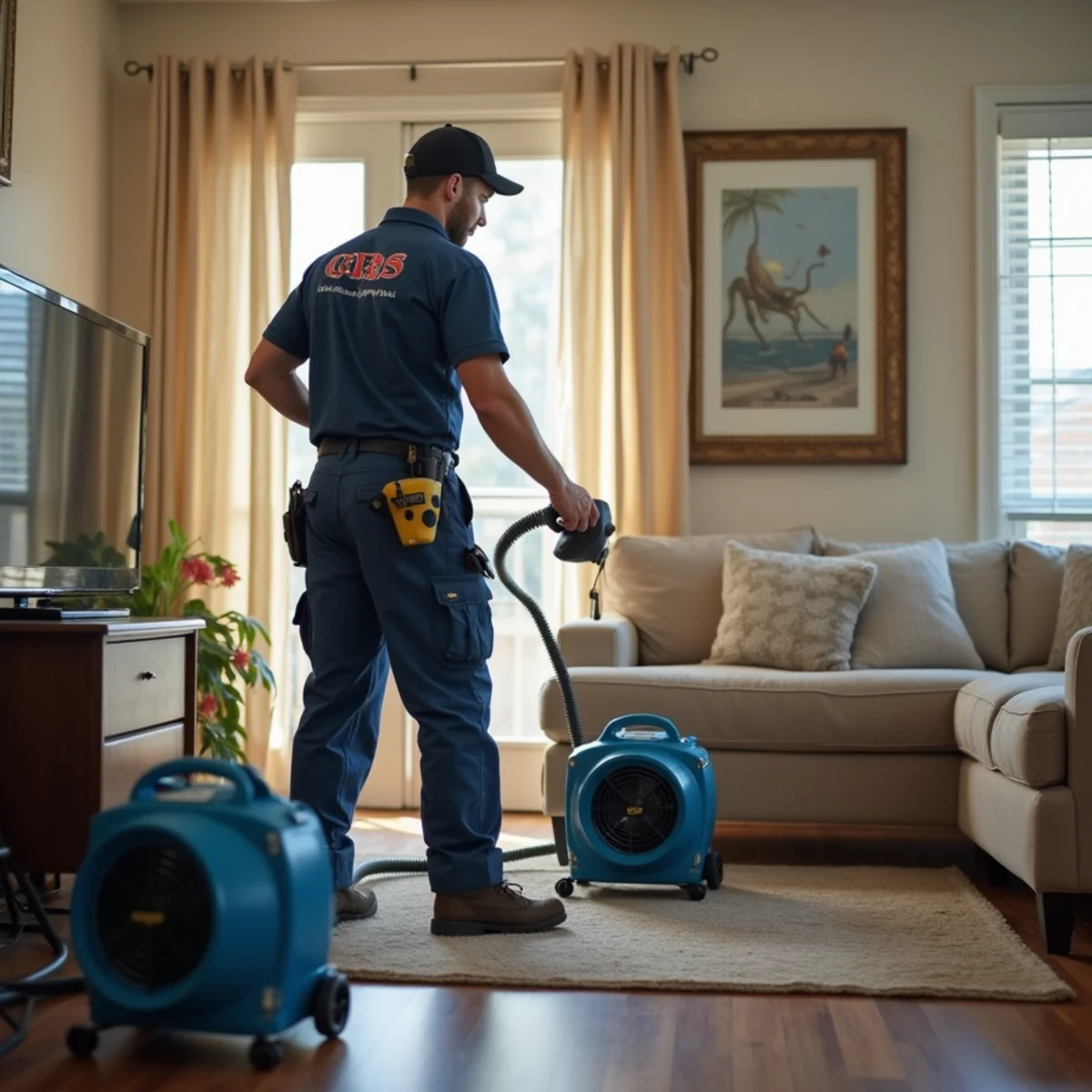
Thermal heat treatment eradicates all bed bug life stages (including eggs) in a single 8-hour treatment by raising room temperatures to 122°F–135°F. Precision chemical treatment costs less upfront but requires 2 to 3 visits over several weeks to eliminate emerging nymphs as eggs hatch.
The Physiology and Thermodynamics of Thermal Remediation
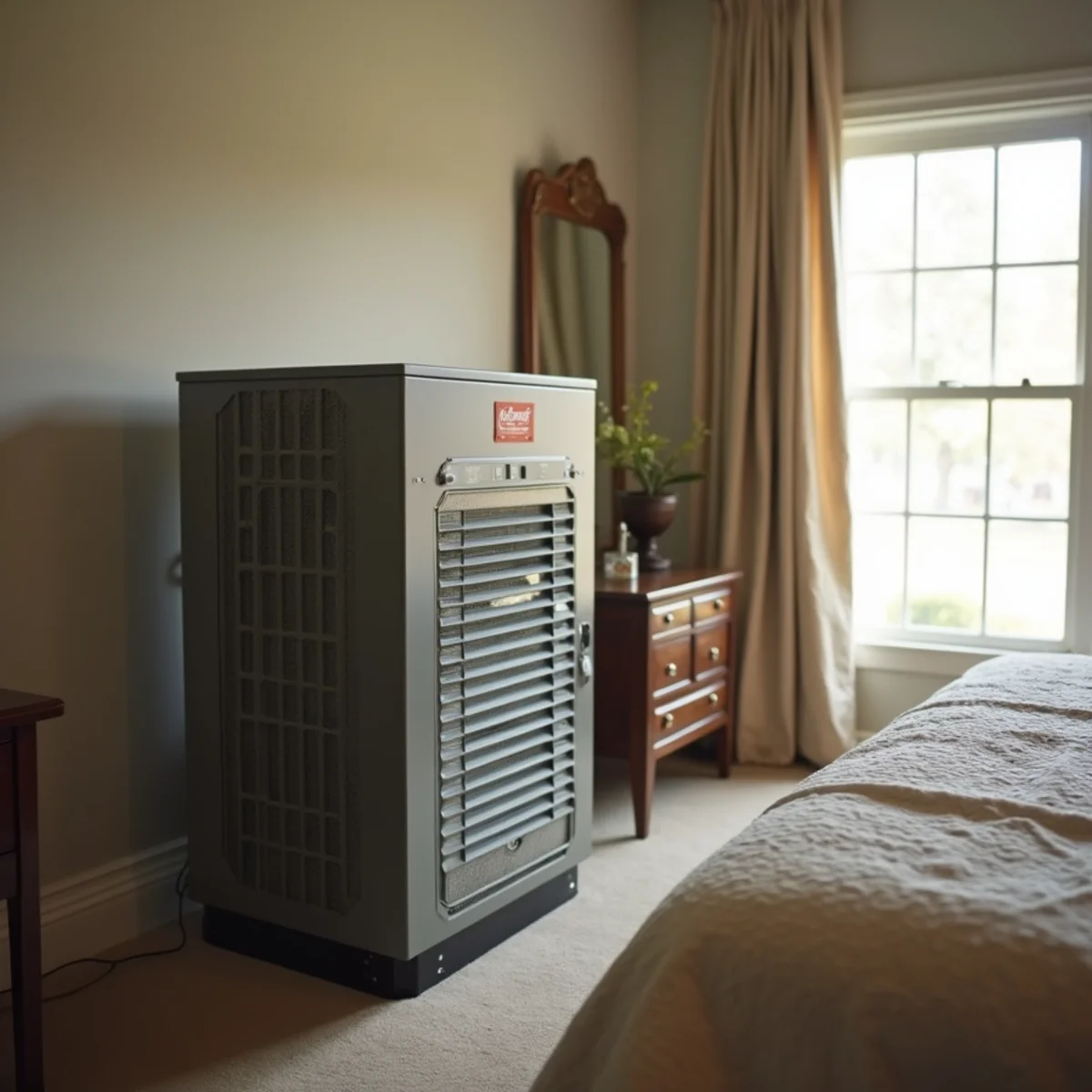
Waking up with clusters of intensely itchy, red bites and discovering dark fecal specks along mattress seams is a homeowner's nightmare. When facing a bed bug (Cimex lectularius) infestation in Humble, Spring, or Kingwood, property owners are immediately presented with two competing eradication methodologies: whole-home thermal heat treatment and targeted chemical remediation.
Thermal remediation leverages fundamental insect biology: bed bugs have zero physiological tolerance for extreme heat. Decades of entomological research demonstrate that all bed bug life stages suffer 100% cellular mortality when exposed to sustained temperatures between 120°F and 125°F. At these thermal thresholds, heat denatures vital bodily proteins, causes instantaneous water loss, and desiccates the impervious waxy protective coating on bed bug egg shells.
During a professional heat treatment, technicians position high-output electric or indirect-fired gas heating rigs outside the structure, pumping high-velocity convective airflow through specialized ducting into every room. High-temperature axial air movers circulate turbulent hot air across mattress box springs, through sofa cushions, behind baseboards, and inside electrical outlet boxes, holding structural ambient temperatures between 125°F and 135°F for 4 to 8 hours. Wireless thermal sensors ensure lethal core temperatures penetrate the densest furniture matrices.
Modern Chemical Treatment in the Era of Pyrethroid Resistance
Many homeowners ask why they cannot simply buy a retail bed bug spray at the local big-box store. The answer lies in genetics: modern bed bug populations have developed widespread genetic resistance (knockdown resistance, or 'kdr' gene mutations) to standard over-the-counter pyrethroids. Spraying cheap synthetic pyrethroids only irritates the insects, causing them to flee deeper into interior wall studs and neighboring rooms.
Professional chemical remediation, by contrast, relies on a sophisticated 3-class chemical rotation designed to overcome insect resistance:
Class 1: Non-Repellent Active Adulticides: Combinations of neonicotinoids (dinotefuran) and pyrroles (chlorfenapyr) that disrupt cellular energy production rather than the nervous system, bypassing nerve-insensitivity mutations.
Class 2: Insect Growth Regulators (IGRs): Formulations containing pyriproxyfen or novaluron that inhibit chitin formation, preventing juvenile nymphs from molting into breeding adults.
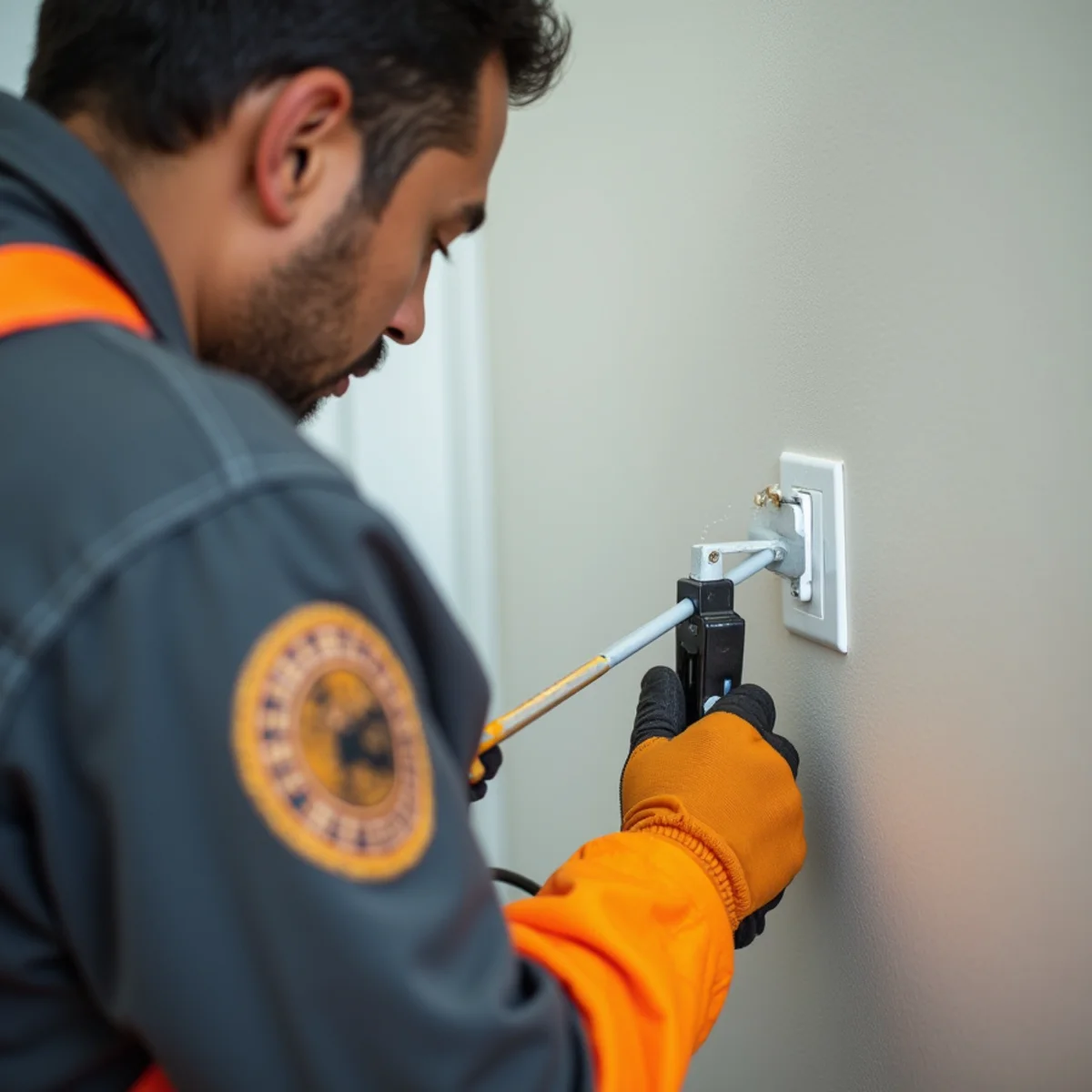
Class 3: Engineered Amorphous Silica Gel Dusts: Mineral desiccant dusts (like CimeXa) injected into wall voids and electrical boxes that physically scratch and absorb the waxy lipid layer of the bed bug cuticle, causing rapid dehydration regardless of chemical immunity.
Need Immediate Guidance for Your Home?
Our local Humble coordination team is ready to answer questions and schedule on-site evaluations.
Head-to-Head Comparison: Heat Treatment vs. Chemical Protocol
Understanding the operational differences between these two methodologies helps homeowners choose the best strategy for their home, budget, and lifestyle:
- Treatment Speed & Duration: Heat treatment resolves the entire infestation in a single 8-hour day; residents leave in the morning and return to a sterile home that evening. Chemical treatment requires 2 to 3 comprehensive visits scheduled 10 to 14 days apart to intercept newly hatched nymphs before they reach reproductive age.
- Egg Eradication (Ovicidal Efficacy): Heat penetrates and instantly destroys bed bug eggs on contact. Chemical treatments do not kill eggs through their impermeable shells; technicians must wait for eggs to hatch before the emerging first-instar nymphs contact the chemical residual.
- Preparation Requirements: Heat treatment requires removing heat-sensitive items (wax candles, crayons, vinyl records, fine oil paintings, pressurized aerosol cans, medications). Chemical treatments require extensive laundering, heat-drying all clothing on high heat, and bagging garments in airtight contractor bags.
- Residual Protection: Heat leaves zero chemical residue behind once the home cools; if an infested backpack or visitor introduces new bugs a week later, reinvasion is possible. Chemical treatments leave microscopic crystalline residuals on baseboards that continue killing stray bugs for 60 to 90 days.
- Upfront Investment: Thermal heat treatments require substantial specialized power generators and heating machinery, resulting in higher initial costs ($1,200 to $3,500+). Chemical programs offer a lower initial investment ($600 to $1,800), though multiple visits are required.
Homeowner Preparation Checklist for Both Methods
Regardless of which treatment approach you select, proper home preparation is the single biggest factor determining first-time success:
Before Thermal Heat Treatment: Strip all bed linens and leave them loosely on the floor; open all drawers, closet doors, and luggage zippers; unplug all non-essential electronics; remove live plants, pets, prescription medications, chocolates, and pressurized cans to a safe off-site location.
Before Chemical Treatment: Wash all bedding, blankets, and clothing in hot water (minimum 120°F) and tumble dry on high heat for at least 45 minutes; seal dried fabrics in heavy-duty contractor bags; vacuum all carpets, baseboards, and mattress tufts thoroughly, immediately discarding the vacuum bag in an outdoor trash receptacle; pull furniture 2 feet away from exterior walls.
Which Solution Is Right for Your Home?
Choose Thermal Heat Treatment if: You desire an immediate, single-day resolution; have severe, widespread infestations across multiple bedrooms; cannot tolerate chemical residuals due to severe chemical sensitivities; or have high clutter that makes thorough chemical application difficult.
Choose Precision Chemical Remediation if: You are dealing with an early-stage, localized introduction isolated to a single bed or headboard; reside in a multi-family condominium or apartment where thermal dissipation across shared firewalls reduces heat efficacy; or require an economical payment structure.